
A random email address generator is a tool that creates fake or disposable email addresses — so you never have to hand over your real inbox to a website you don’t fully trust.
Here are the top options worth knowing about in 2026:
That’s exactly the problem random email generators are built to solve.
The right tool depends on what you actually need. This guide covers every type worth using.
Understanding the Random Email Address Generator
At its core, a random email address generator is a software solution designed to produce email addresses that look and act like the real thing without actually being tied to your personal identity. In April 2026, the digital landscape is more crowded than ever, making these tools essential for anyone navigating the web.
But how do they work? Most high-quality generators adhere to RFC 5322 standards. This is the technical rulebook for email syntax. By following these rules, the generator ensures that the address “looks” valid to any website’s sign-up form. If a form expects an “@” symbol and a valid domain extension, these tools provide exactly that.
One of the coolest things about modern generators is local browser execution. Instead of sending your request to a distant server, the tool runs right in your browser. This means no data is uploaded or stored, providing an extra layer of privacy. If you’re in a rush, you can learn How To Generate A Random Fake Email Address In Seconds to see just how fast this process has become.
Learn more at tempomailusa.com
How a random email address generator creates realistic IDs
To make these addresses look like they belong to a human rather than a robot, developers use sophisticated algorithms.
- CSPRNG Algorithms: This stands for Cryptographically Secure Pseudo-Random Number Generators. It ensures the strings of characters are truly random and not predictable.
- Faker.js: Many tools use this library to pull from massive databases of real first and last names, creating addresses like
[email protected]instead of[email protected]. - Pronounceable IDs: Some generators alternate consonants and vowels (e.g., “bakito”) to create IDs that are easier for humans to read and remember.
- Name Databases: By tapping into US English or international name sets, tools can generate thousands of unique combinations that pass “human” checks on most websites.
Using these realistic IDs is a pro-tip for digital hygiene. You can find more details on How To Use A Fake Sign Up Email For Every Web Form to keep your primary inbox clean.
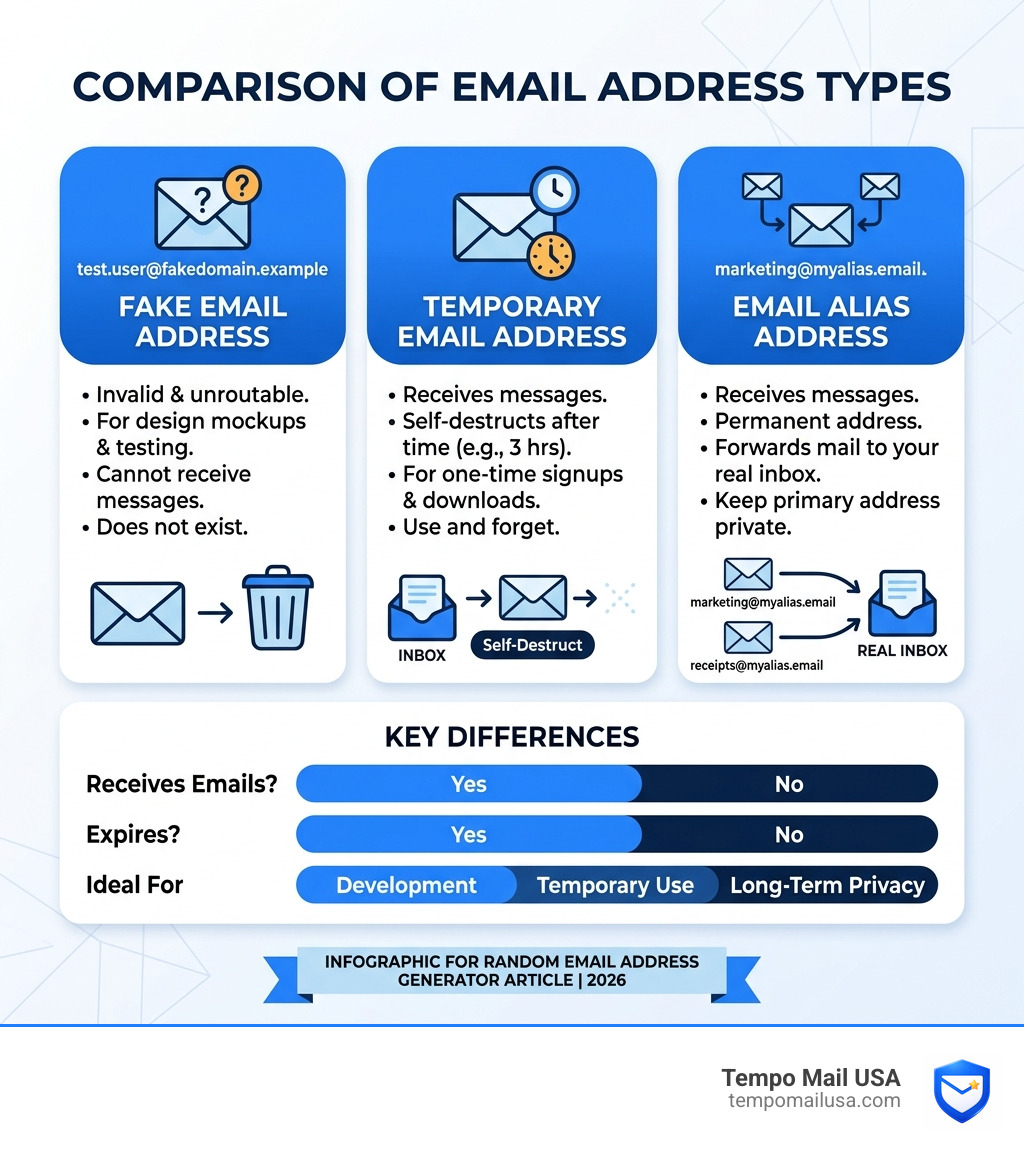
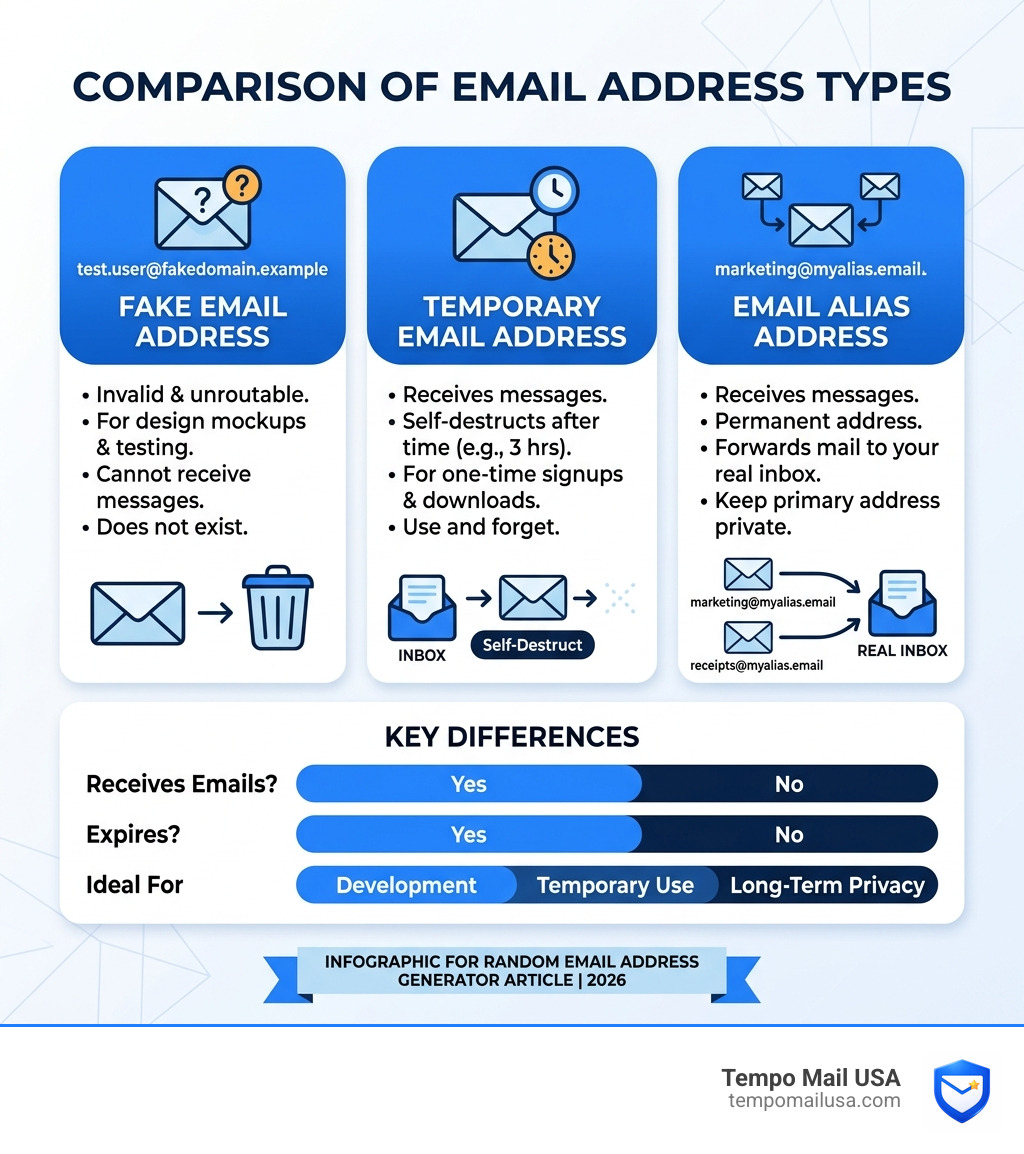
Fake vs. Temporary vs. Aliasing services
It is important to distinguish between the three main types of “random” emails. They are not all created equal!
FeatureFake Email GeneratorTemporary EmailEmail Aliasing (Tempo Mail USA)FunctionalityNon-functional (No Inbox)Functional (Temporary Inbox)Permanent Proxy (Forwarding)LifespanPermanent (as a string)3-hour expiry (usually)Permanent until deletedCommunicationNoneReceive onlyTwo-way (Receive & Reply)Primary UseDummy data/TestingQuick sign-upsIdentity Protection
Fake email generators are perfect for developers who need to fill a database with 10,000 “users” for a demo. These addresses cannot receive mail.
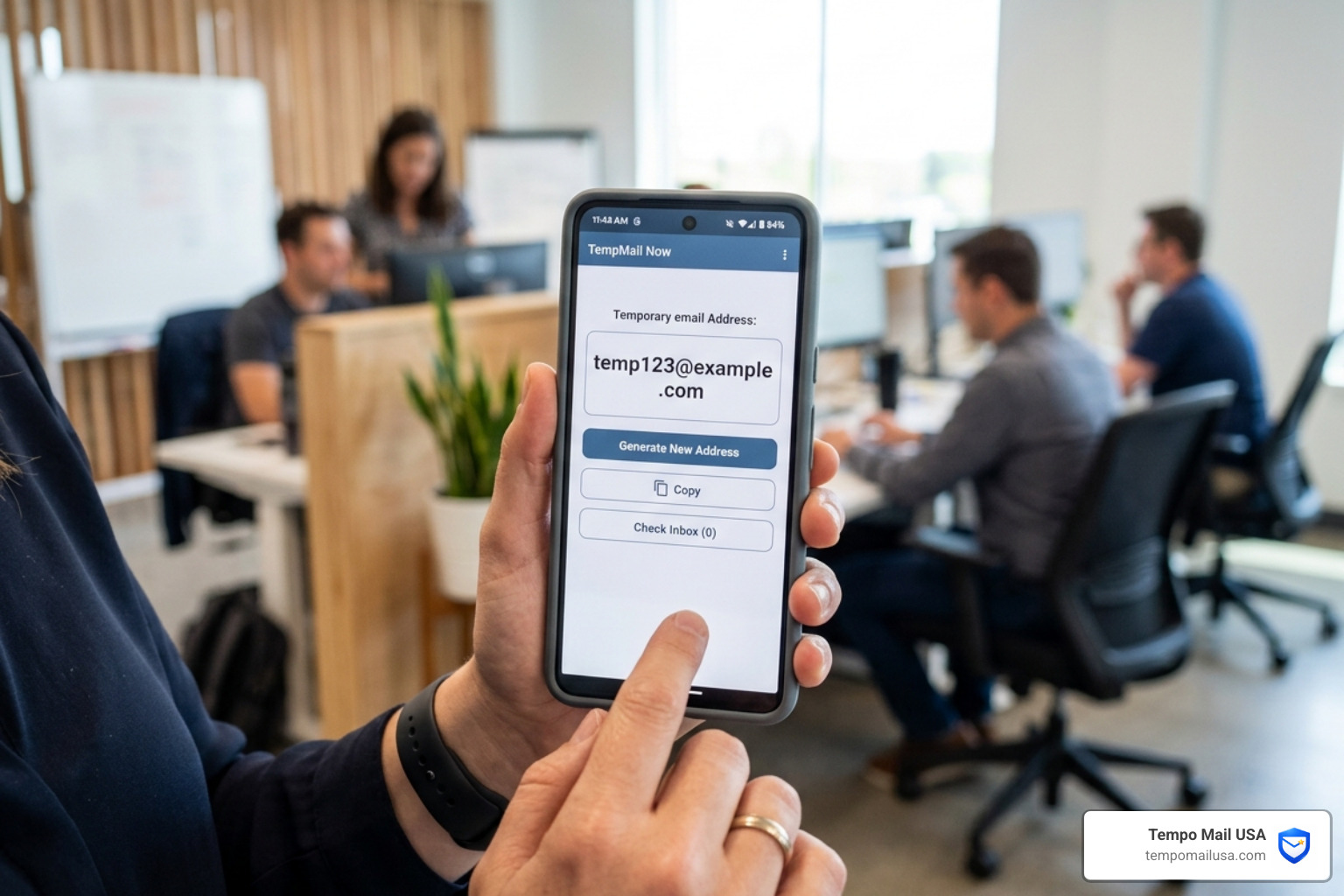
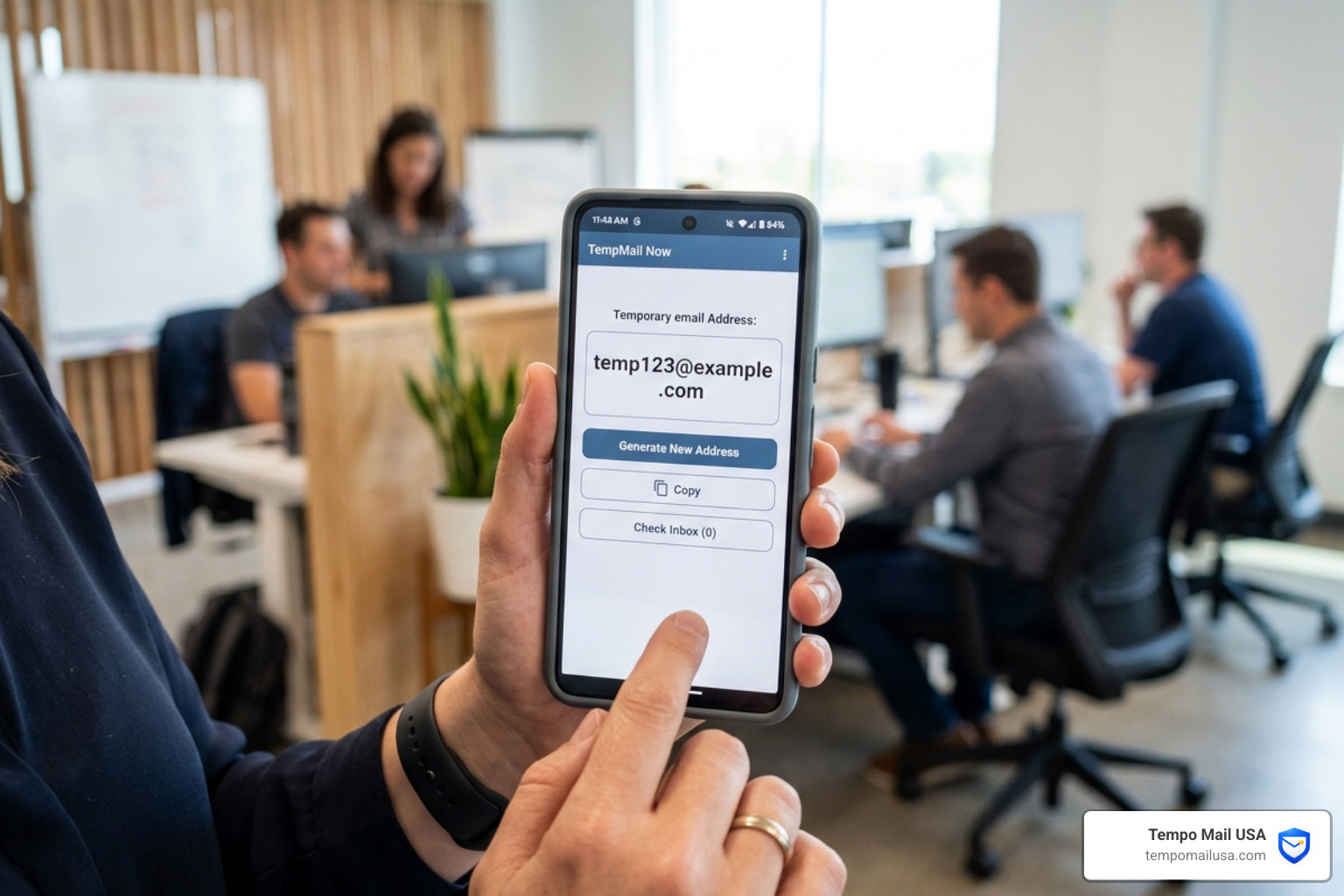
Temporary email services provide a “burner” inbox. You use the address, get your verification code, and then the inbox vanishes—often after 3 hours of inactivity.
Email aliasing services, which is where we at Tempo Mail USA focus, act as a permanent firewall. You get a random address that forwards mail to your real inbox. If that alias starts getting spam, you simply toggle it off. This is the gold standard for Crafting Your Own Disposable Email Address that actually lasts.
Top Use Cases for Random Email Generation in 2026
Why are millions of people using a random email address generator every day? The reasons have shifted from “niche tech needs” to “everyday survival.”
- Software Testing: Developers use these tools to ensure their sign-up flows work without cluttering their own mailboxes.
- QA Automation: Automated scripts can generate hundreds of accounts to stress-test a platform.
- Database Seeding: When building a new app, you need realistic data to see how the UI looks.
- Business Privacy: Sometimes you need to interact with a competitor or a vendor without revealing your company’s domain. In these cases, you can Create A Fake Business Email Address Easily Safely.
Bulk generation for developers and testers
For the tech-savvy, generating one email at a time isn’t enough. Many tools now support bulk generation—anywhere from 1 to 10,000 emails in a single click.
When you generate in bulk, you need to move that data into your code or database. Most high-quality tools support several export formats:
- CSV: Perfect for Excel or database imports.
- JSON: The standard for web developers and API integrations.
- TXT: A simple list for quick copy-pasting.
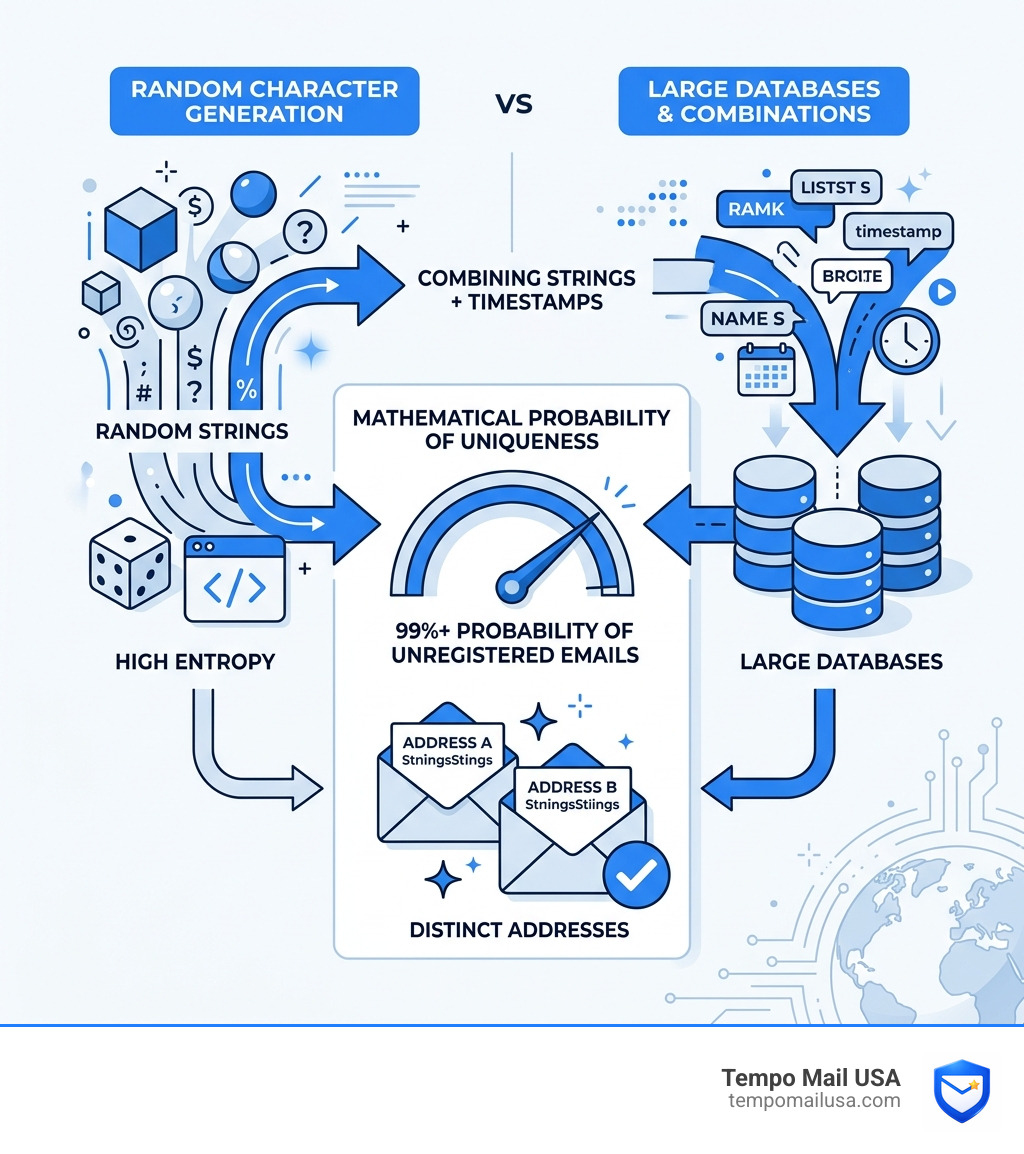
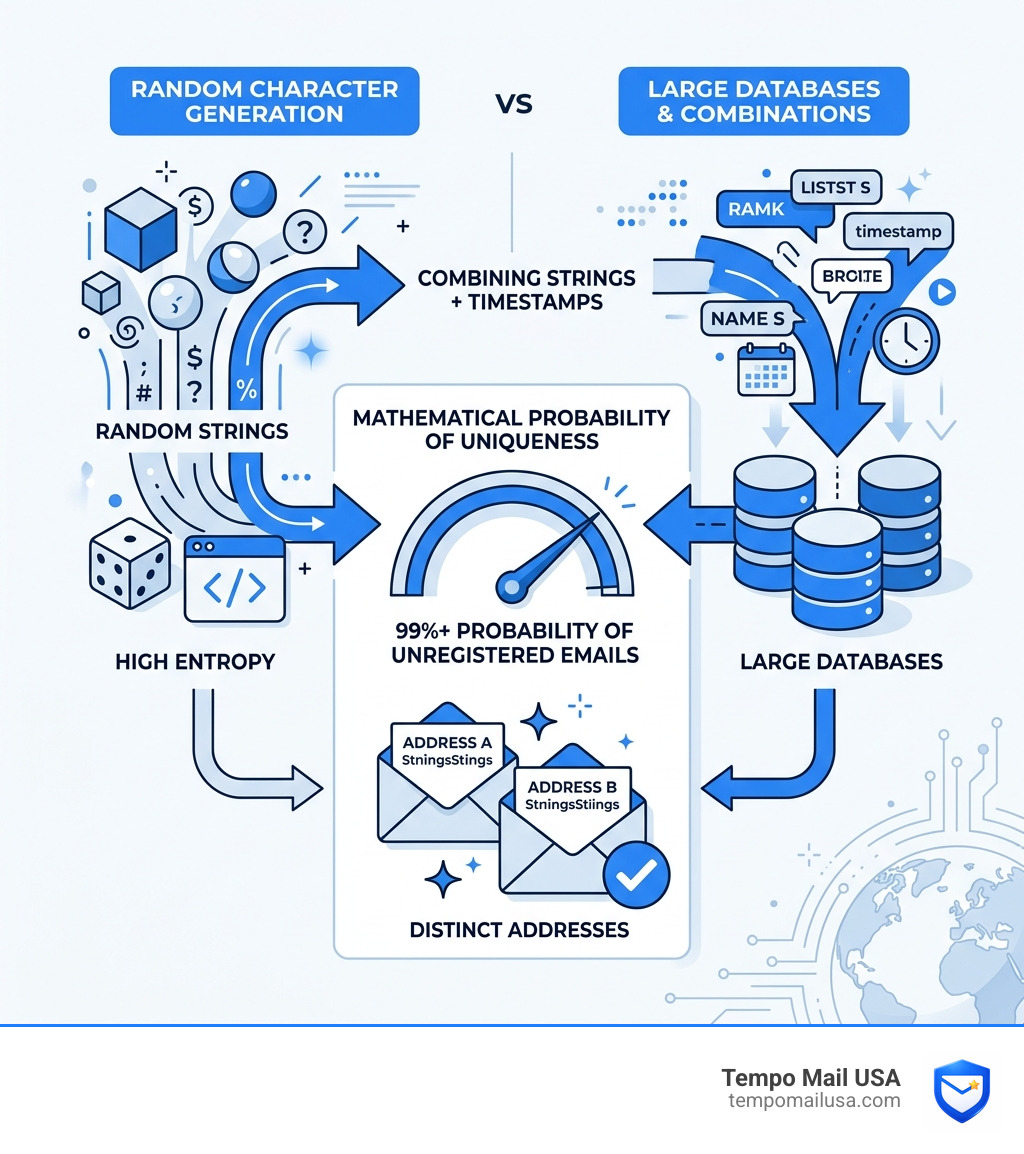
At Tempo Mail USA, we understand that developers need high-entropy, unique IDs that are 99.99% likely to be unregistered. This ensures that your test data doesn’t accidentally clash with real users.
Privacy protection and spam refusal
For the average user, the random email address generator is a weapon against the $200 billion data broker market. When you give your real email to a “loyalty program” or a “free trial,” that data is often sold.
By using a random address, you:
- Shield your PII: Personal Identifiable Information stays hidden.
- Stop Spam: If an alias gets leaked, you kill the alias, not your inbox.
- Extend Trials: (Though we recommend following ToS!) Many use different random IDs to test services longer.
Learning How To Create A Temporary Email Easily Free And Secure is the first step toward reclaiming your digital sovereignty.
Key Features of a High-Quality random email address generator
Not all generators are created equal. If you are looking for a tool that actually protects you, look for these key features:
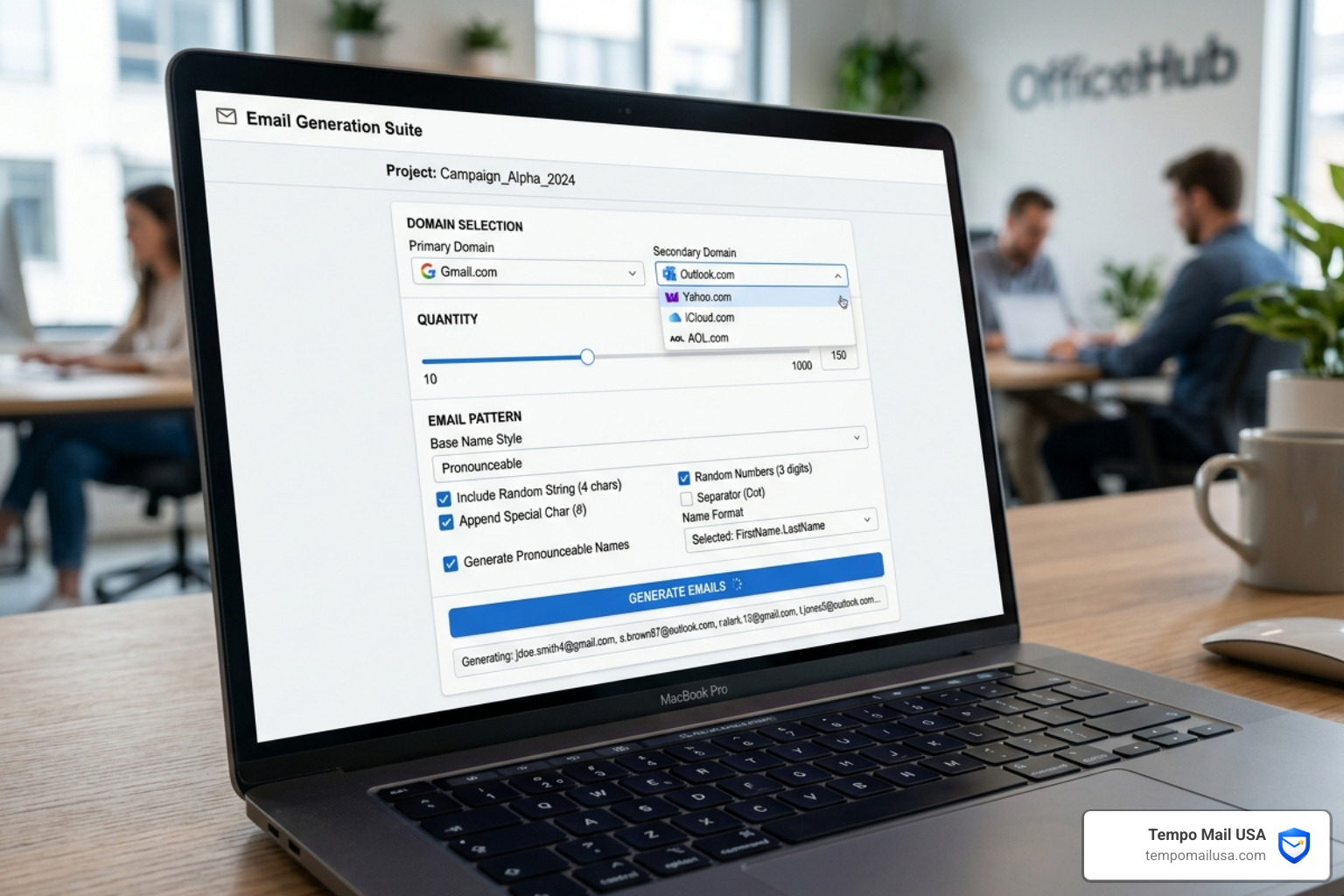
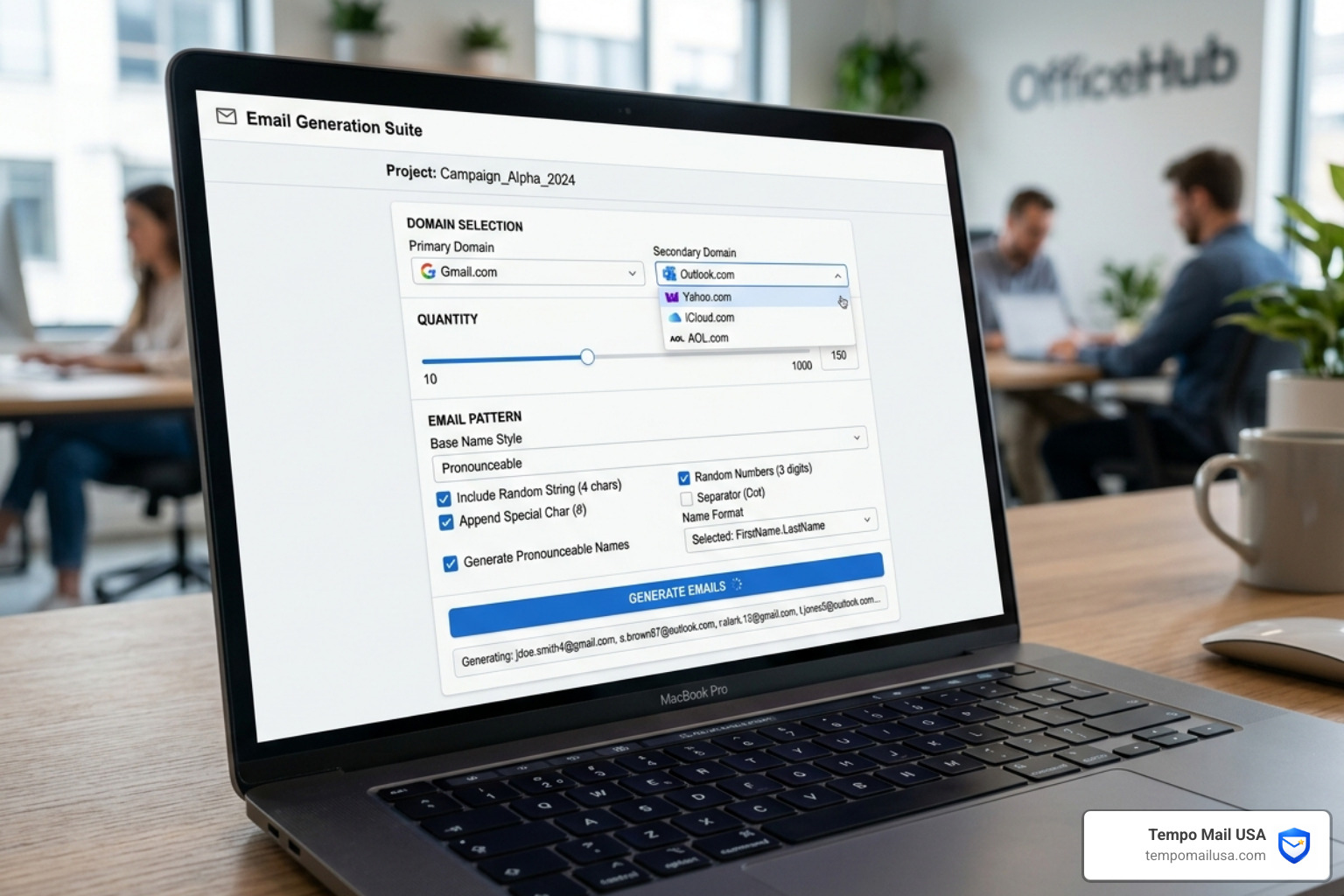
- Custom Domains: The ability to choose between popular domains (Gmail, Outlook, Yahoo) for realism or custom/random domains for maximum anonymity.
- Unique ID Patterns: Options for “Unique” (random strings), “Pronounceable” (readable), or “Real Names” (human-like).
- Quantity Control: A slider or input field to choose exactly how many addresses you need (typically 1–100 for web tools, up to 10,000 for bulk tools).
- No Registration: You shouldn’t have to give your email to get a fake email! The best tools are “click and go.”
Cultural and language support in random email address generator tools
In 2026, the internet is truly global. A good random email address generator should support localization testing. This means providing name sets for different cultures, including:
- US English
- German
- Spanish
- French
- Japanese
This is vital for developers who need to ensure their forms can handle different character sets and name formats (like surnames appearing before first names).
Security and anonymity standards
Privacy is the name of the game. A top-tier tool should offer:
- No Data Storage: Emails and inboxes should be wiped automatically.
- Browser-Side Generation: As mentioned, keeping the logic in your browser prevents server-side logging.
- PGP Encryption: For alias services like ours, the ability to encrypt forwarded emails ensures that even your email provider can’t snoop on your messages.
- 2FA Support: If the tool has a dashboard, it must be secured with two-factor authentication.
Ethical and Legal Considerations of Using Fake Emails
While a random email address generator is a powerful tool for privacy, it comes with responsibilities.
- Terms of Service (ToS): Many websites explicitly forbid “disposable” emails. While our aliases often bypass these filters because they look like real domains, it’s important to respect the platforms you use.
- Fraud Prevention: Using fake emails to commit fraud, bypass payment systems, or impersonate others is illegal and unethical.
- Responsible Testing: Developers should ensure their bulk testing doesn’t overwhelm a third-party service’s servers (this is known as a DoS attack).
- Identity Protection: We believe that protecting your PII is a fundamental right. Using a generator to stay anonymous from trackers and hackers is a legitimate and ethical use of technology.
Frequently Asked Questions about Random Email Generators
Are generated email addresses real and can they receive mail?
It depends on the tool!
- Fake generators create “syntactically valid” strings. They look like emails but have no server behind them. They cannot receive mail.
- Temporary services create a real, short-lived mailbox that can receive mail.
- Alias services (like Tempo Mail USA) create a permanent “forwarder” that can receive and send mail.
What are the best export formats for bulk email lists?
If you are generating thousands of addresses for a project, CSV is usually the best for spreadsheets and general use. JSON is the gold standard for developers who need to feed the data into a web application or API.
How do generators ensure the uniqueness of an address?
Most tools use high-entropy random character generation. By combining random strings with timestamps or large name databases, the mathematical probability of two people generating the same address is nearly zero (often cited as 99.99% uniqueness).
Conclusion
The world isn’t getting any less “spammy,” and your data isn’t getting any less valuable to brokers. Whether you are a developer needing 10,000 test accounts or a regular web surfer trying to avoid a flood of newsletters, a random email address generator is your best friend.
At Tempo Mail USA, we aim to be your ultimate privacy firewall. By using our secure email alias generation, you can proxy your identity and shield your personal PII from every service you encounter. Think of us as the high-tech filter between your private life and the noisy, data-hungry internet.
Ready to take control of your inbox? Start protecting your identity today at https://tempomailusa.com.